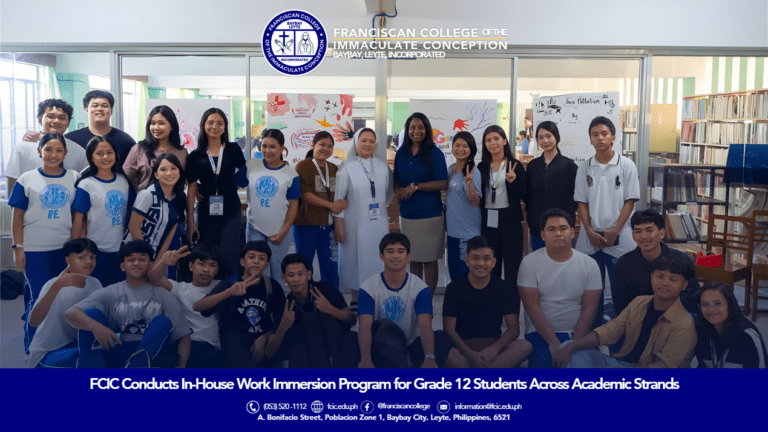
Franciscan College of the Immaculate Conception (FCIC) successfully implemented its In-House Work Immersion Program for Grade 12 students from the STEM, ABM, TVL, and HUMSS strands on February 6–7, 2026. Designed as a strand-responsive and outcomes-based initiative, the two-day immersion aimed to bridge theory and practice by providing students with meaningful, hands-on learning experiences aligned with their academic specializations. The program reflects FCIC’s commitment to innovative, Christ-centered, and holistic education that prepares learners for academic, professional, and real-world challenges.
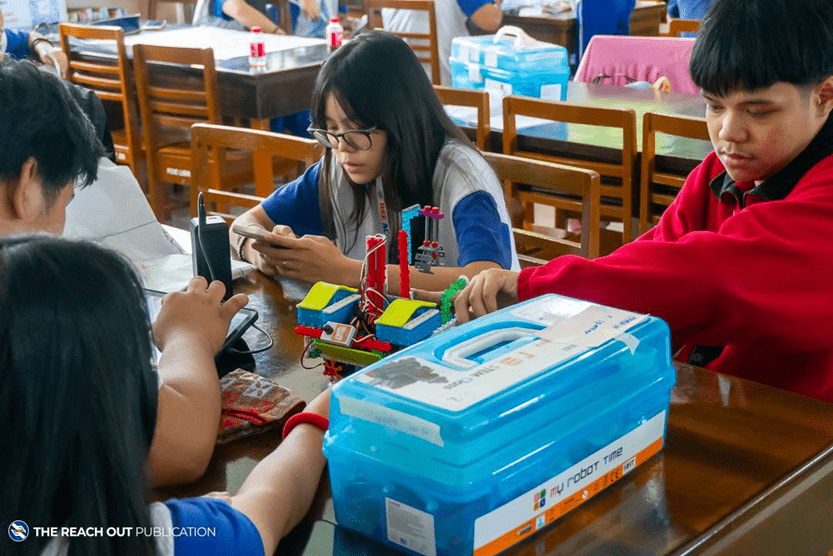
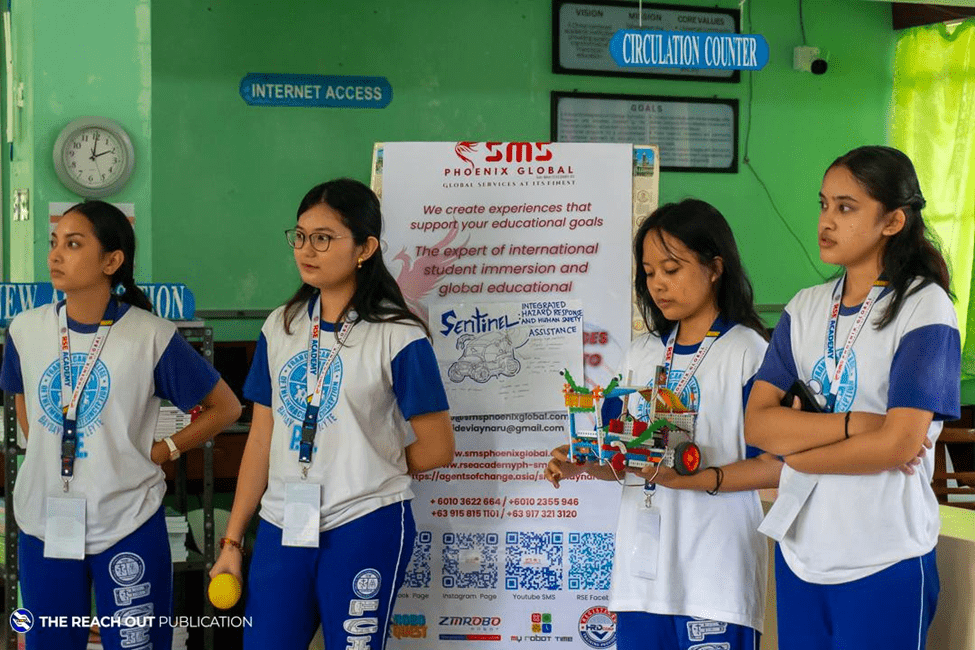
The in-house immersion was strategically conducted across various venues within the campus, maximizing institutional resources while ensuring a structured and immersive learning environment. For STEM students, the program was embedded within the FCIC International Multidisciplinary Research Conference (IMRC), allowing participants to engage in a robotics workshop that translated scientific concepts into practical innovation. Beginning with the IMRC opening activities on February 6, students proceeded to a hands-on session at the FCIC Library, where they worked collaboratively to conceptualize, design, and build functional robotics projects. Using provided kits, each team developed a robot addressing real-world problems grounded in STEM principles. Beyond construction, students were required to produce complete project documentation, including a written paper, clearly defined objectives, a detailed explanation of the robot’s functionality, and a formal PowerPoint presentation. The immersion culminated in a project defense before facilitators, during which students responded to technical questions and received constructive feedback—strengthening their research writing, analytical thinking, and presentation skills.
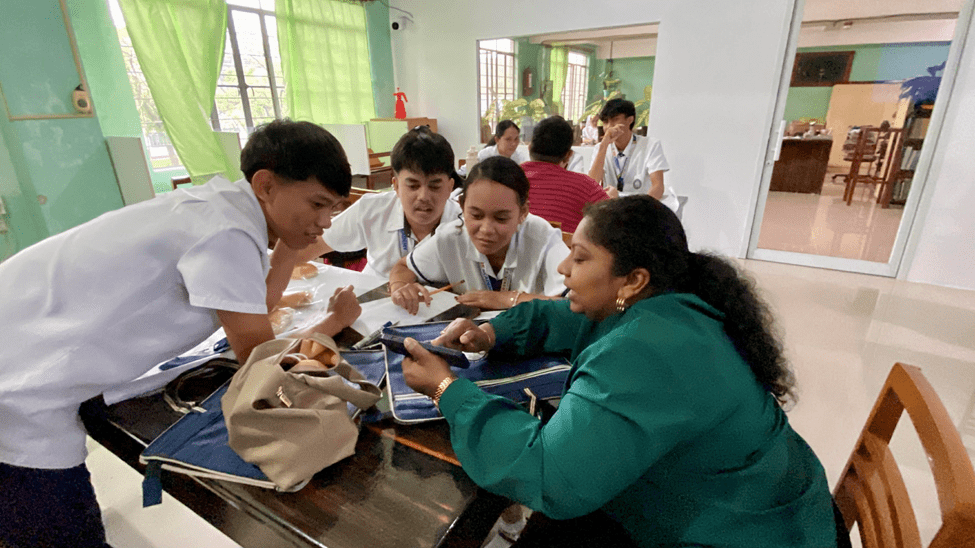
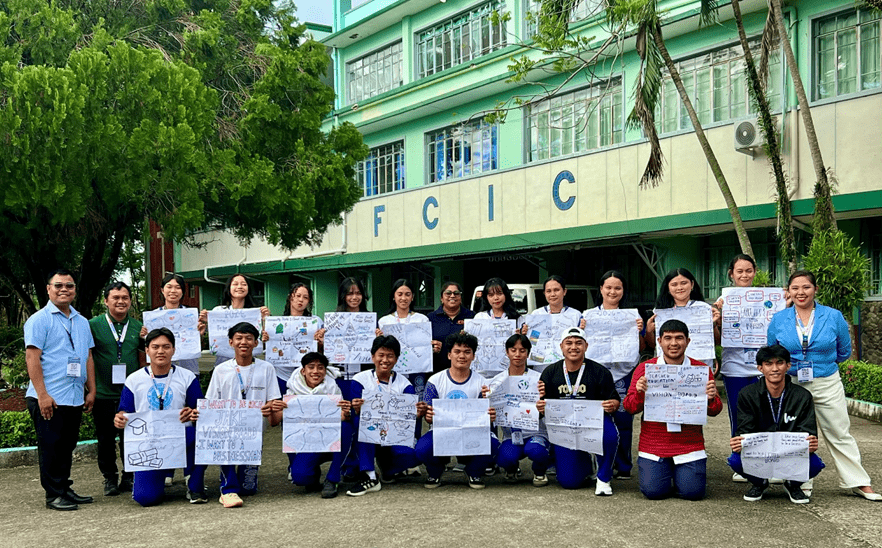
Simultaneously, FCIC conducted an entrepreneurship-focused immersion for Grade 12 ABM and TVL students, emphasizing business planning, collaboration, and real-world application. Facilitated by Ms. Indra Shanti Thever A/P Perumal Rajan from the University of Cyberjaya, Malaysia, with the assistance of faculty members, the program provided students with an authentic entrepreneurial experience. On the first day, held at the Library’s Quiet Study Area, students conceptualized food business ventures, planned products and target markets, and designed promotional materials. Each group was given seed capital to manage responsibly, with the goal of generating profit through an actual selling activity on Day 2. The second day, conducted at the Student Lounge, allowed students to prepare, market, and sell their products to buyers within a limited timeframe. A reflection session followed, enabling learners to articulate challenges, strategies, and lessons learned, while a Vision Board activity encouraged them to connect the experience to their future goals. This immersion strengthened students’ financial literacy, teamwork, communication skills, and entrepreneurial mindset.
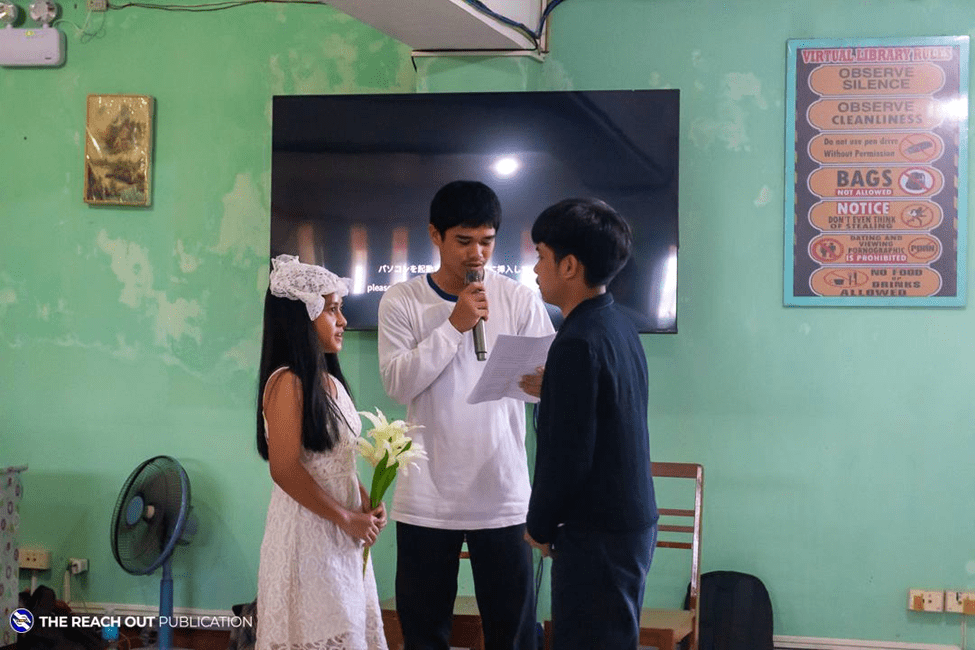
For the HUMSS strand, the in-house immersion focused on social awareness, creativity, and advocacy. Held at the Learning Resource Center and facilitated by Ms. Melissa Anne Willy Boy, the program engaged students in interactive activities that developed trust, critical thinking, and empathy. On the first day, students participated in collaborative challenges and analytical exercises addressing contemporary social issues such as access to education, environmental concerns, and unrealistic beauty standards. These activities laid the groundwork for their culminating assessment, which required students to creatively present social issues through drama. The second day emphasized kindness, reflection, and expression, featuring a photo challenge that encouraged students to document real-life acts of compassion within the community. The immersion concluded with powerful drama presentations attended by the FCIC President, Sister Mary Michael Bactong, OSF, highlighting students’ ability to articulate social issues and advocate for positive change.
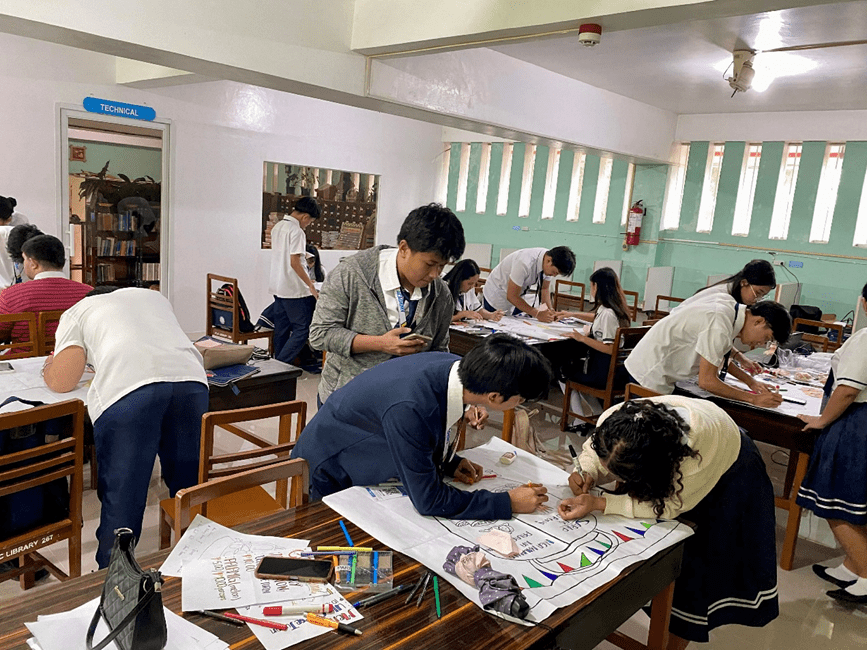
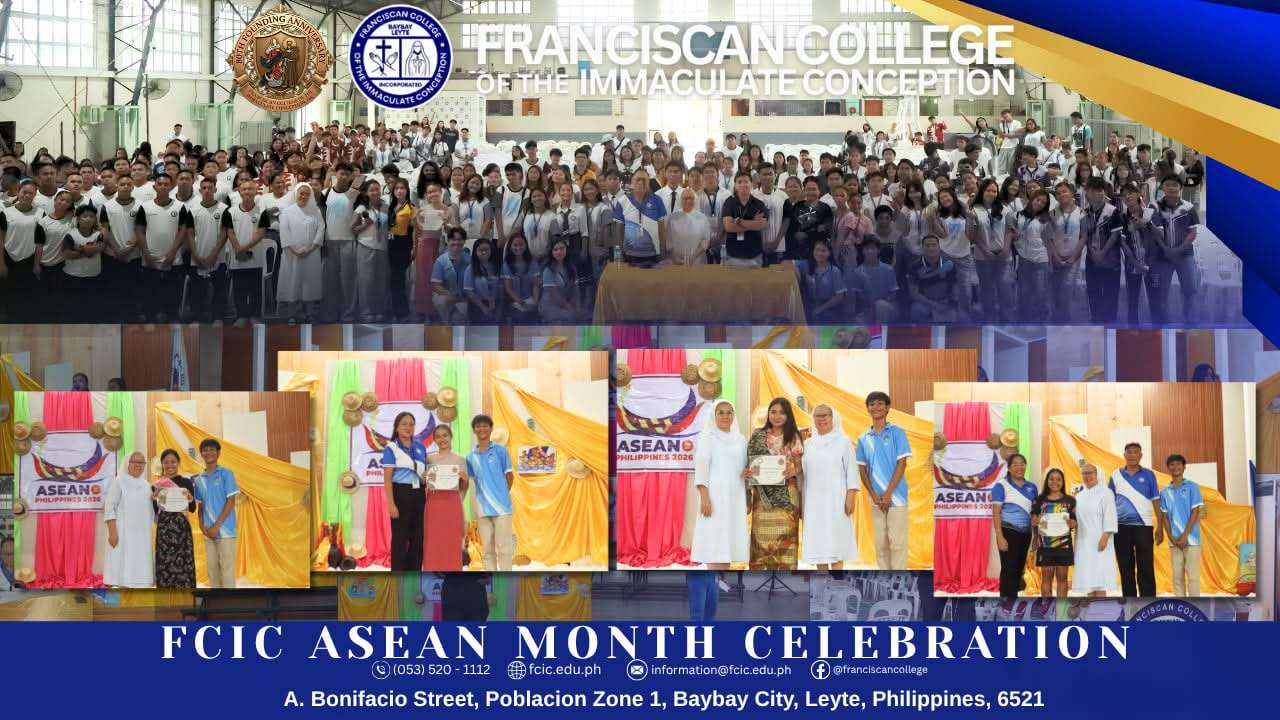
Across all strands, the In-House Work Immersion Program concluded with the awarding of certificates to recognize students’ active participation and successful completion of the program. Collectively, the initiative demonstrated FCIC’s holistic approach to education—developing not only technical and academic competencies, but also creativity, social responsibility, ethical awareness, and confidence. The successful implementation of this unified in-house immersion marks a significant milestone in FCIC’s Senior High School program, reinforcing its mission to form academically competent, socially aware, and globally responsive graduates.
Prepared by: FCIC Basic Ed Faculty